
Chronic pain and musculoskeletal conditions affect millions of people worldwide, often interfering with daily activities, work performance, and overall well-being. For many individuals, this leads to a cycle of temporary relief through medications or consideration of invasive procedures such as injections or surgery. While these approaches can be necessary in certain cases, they may also come with risks, side effects, and extended recovery periods. As a result, both patients and healthcare providers are increasingly turning toward non-invasive, drug-free therapies that focus on supporting the body’s natural ability to heal.
One of the most promising advancements in this area is modern laser pain therapy, also known as low-level laser therapy (LLLT) or photobiomodulation. This treatment uses carefully controlled wavelengths of light to penetrate the skin and interact with underlying tissues at a cellular level. Rather than masking symptoms, laser therapy works by stimulating biological processes that enhance energy production within cells, improve circulation, and reduce inflammation. These effects help accelerate tissue repair and promote long-term healing.
What makes laser therapy particularly appealing is its ability to deliver effective pain relief without discomfort or downtime. Sessions are typically quick, painless, and require no recovery period, allowing patients to return to their normal activities immediately. As awareness continues to grow, laser therapy is becoming a trusted option in modern healthcare, offering a safe and efficient alternative for managing both acute and chronic pain conditions.
Laser pain therapy is a non-invasive, drug-free treatment that uses concentrated light energy to penetrate the skin and reach underlying tissues. Unlike surgical lasers that generate heat to cut or cauterize tissue, therapeutic lasers operate at specific wavelengths and intensities designed to stimulate healing without causing damage or discomfort.
When applied to the affected area, the light energy is absorbed by cellular components—particularly the mitochondria. This interaction enhances cellular activity by increasing the production of adenosine triphosphate (ATP), which fuels essential repair processes. As a result, cells can function more efficiently and recover more quickly from injury or stress.
Additionally, laser therapy helps reduce inflammation by improving lymphatic flow and decreasing inflammatory chemicals in the tissue. It also promotes better blood circulation, allowing more oxygen and nutrients to reach damaged areas. This combination of effects not only accelerates tissue repair but also helps relieve pain by reducing pressure on nerves and modulating pain signals.
At the core of laser therapy is a process called photobiomodulation. Here’s how it works:
Laser light penetrates the skin and stimulates mitochondria within cells, enhancing the production of adenosine triphosphate (ATP). This increase in cellular energy allows tissues to repair more efficiently, improving overall function and accelerating the body’s natural healing response.
Laser therapy helps regulate the body’s inflammatory response by reducing pro-inflammatory chemicals while promoting lymphatic drainage. This process decreases swelling, relieves pressure on surrounding tissues, and creates a more favorable environment for healing and recovery to occur.
The therapy encourages vasodilation, or the widening of blood vessels, which enhances blood flow to injured areas. Improved circulation delivers oxygen, nutrients, and immune cells more effectively, supporting tissue repair and helping remove metabolic waste products from the body.
By stimulating cellular activity, laser therapy accelerates the repair of damaged soft tissues such as muscles, tendons, and ligaments. It also promotes collagen synthesis, which is essential for rebuilding tissue structure, improving strength, and restoring normal function over time.
Laser therapy influences nerve activity by reducing the sensitivity of pain receptors and slowing the transmission of pain signals to the brain. This helps decrease discomfort, improve patient comfort, and support better participation in daily activities and rehabilitation programs.
Laser therapy offers a completely non-invasive approach that avoids surgery, injections, and pharmaceuticals. It supports the body’s natural healing mechanisms without introducing foreign substances or requiring recovery from invasive procedures.
When administered by trained healthcare professionals, laser therapy is considered very safe. It produces minimal side effects, is gentle on tissues, and is suitable for a wide range of patients.
Sessions are typically short and comfortable, often completed within minutes. Patients can immediately resume daily activities afterward, making it highly convenient for busy lifestyles and ongoing care routines.
Laser therapy enhances cellular metabolism and tissue repair processes, allowing injuries to heal faster. It supports faster recovery from both acute and chronic musculoskeletal conditions compared to conventional care alone.
By addressing pain at its source, laser therapy can reduce reliance on painkillers and anti-inflammatory drugs. This helps minimize side effects and lowers long-term medication dependency for many patients.
Laser therapy is effective for various conditions, including sports injuries, arthritis, nerve pain, and soft tissue damage. Its adaptability makes it useful across multiple medical and rehabilitation settings.
Laser pain therapy is highly versatile and can be used to address many conditions, including:
Back pain (acute and chronic)
Neck pain
Shoulder injuries
Knee pain
Hip pain
Arthritis
Sprains and strains
Tendonitis
Ligament injuries
Muscle tears
Sciatica
Carpal tunnel syndrome
Overuse injuries
Post-workout inflammation
Recovery support
Scar tissue healing
Pain and swelling reduction
Faster rehabilitation
Medications mainly focus on symptom control by reducing pain or inflammation temporarily, but they do not repair damaged tissues. Laser therapy works deeper at a cellular level, stimulating healing processes, improving circulation, and reducing inflammation at the source, which supports longer-lasting recovery rather than short-term symptom relief.
Surgery is often reserved for severe conditions but involves risks such as infection, scarring, anesthesia complications, and extended recovery time. Laser therapy provides a non-invasive alternative for many musculoskeletal conditions, helping reduce pain and inflammation without incisions or downtime, making it a safer option for appropriate cases.
Physical therapy focuses on restoring movement, strength, and function through exercise and manual techniques. Laser therapy enhances these outcomes by reducing pain and inflammation at the tissue level, allowing patients to move more comfortably and participate more effectively in rehabilitation, often leading to faster and improved overall recovery results.
A typical session is simple and comfortable:
The provider identifies the affected area
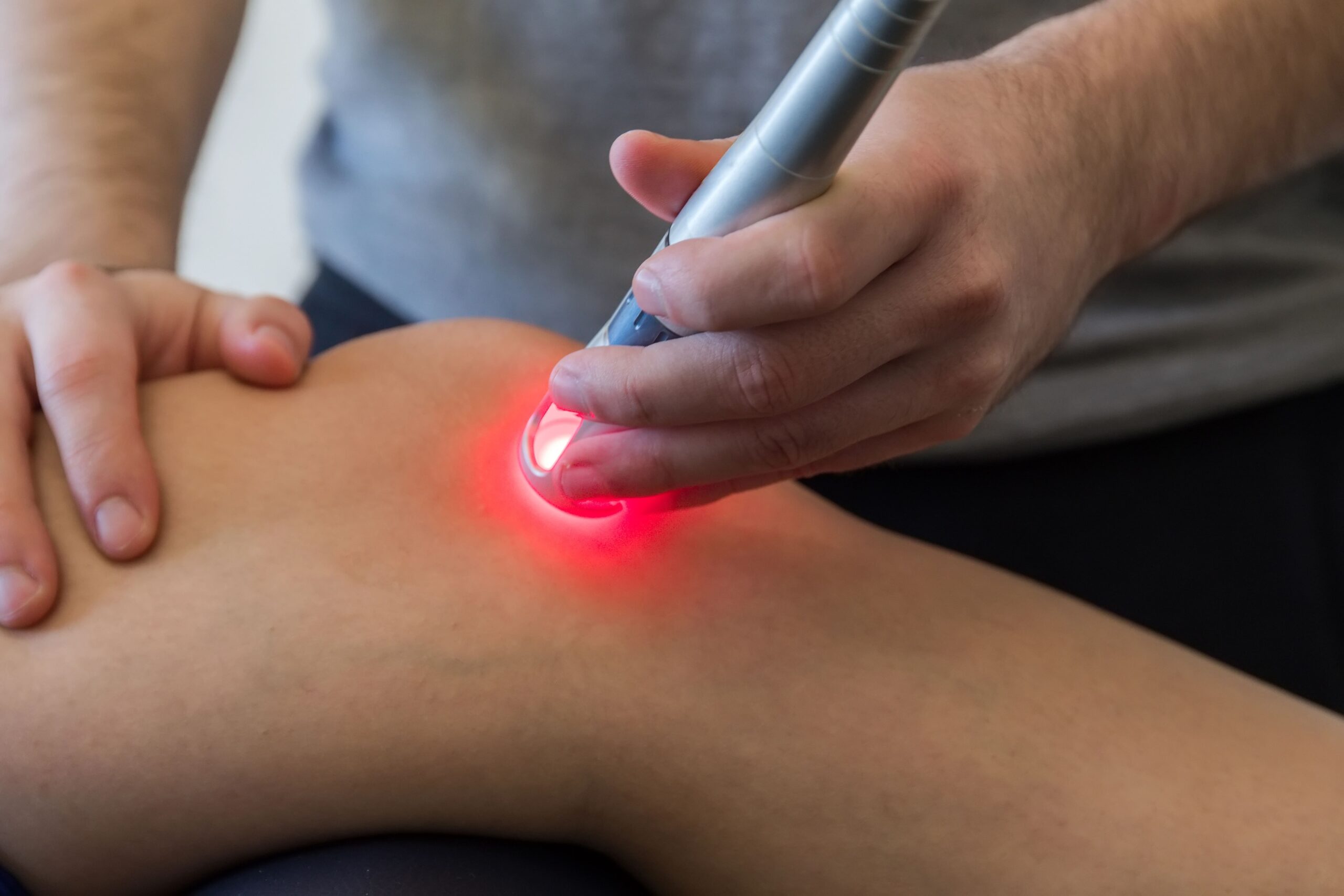
A handheld laser device is applied to the skin
The patient may feel a mild warming sensation
Treatment usually lasts 5–20 minutes
No recovery time is needed
During a session, the clinician first evaluates the specific area causing pain to ensure precise targeting. The laser device is then gently placed on the skin and moved over the treatment zone. Most patients experience a relaxing, non-invasive sensation, often described as gentle warmth or light tingling. There is no pain or discomfort involved. Because the procedure is non-invasive, patients can immediately return to work, exercise, or daily activities. Multiple sessions are typically recommended to achieve cumulative effects, especially for chronic or long-standing conditions where tissue healing requires consistent stimulation over time.
Laser therapy is suitable for a wide range of individuals, including:
Patients with chronic pain
Athletes recovering from injuries
Individuals seeking non-surgical treatment options
Older adults with joint pain or arthritis
Patients looking to reduce medication use
Laser therapy can benefit people across different ages and activity levels. Those suffering from chronic pain conditions often use it to manage long-term discomfort without relying heavily on medication. Athletes find it useful for speeding up recovery from strains, sprains, and overuse injuries. It is also ideal for individuals who want to avoid surgery or delay invasive procedures. Older adults with degenerative joint conditions like arthritis may experience improved mobility and reduced stiffness. Additionally, patients aiming to minimize pain medication use often choose laser therapy as a supportive, natural alternative. A clinical evaluation is still essential to confirm suitability.
Laser therapy is backed by a growing body of research demonstrating its effectiveness in reducing pain, inflammation, and recovery time.
Studies have shown benefits in:
Chronic low back pain
Osteoarthritis
Tendon injuries
Wound healing
Scientific studies on photobiomodulation show that laser therapy can positively influence cellular activity, inflammation reduction, and tissue repair. Clinical research has reported improvements in pain levels and function, particularly in chronic low back pain and osteoarthritis cases. Tendon injuries, such as Achilles or rotator cuff conditions, also show enhanced healing responses when laser therapy is used as part of treatment. Additionally, wound healing studies demonstrate faster tissue regeneration and improved recovery outcomes. While results may vary depending on treatment settings and patient conditions, overall evidence supports laser therapy as a valid, research-backed modality in modern rehabilitation and pain management.
Laser therapy is most effective when used as part of a holistic treatment approach. This may include:
Chiropractic care
Physical therapy
Exercise and rehabilitation programs
Nutritional support
Lifestyle modifications
When integrated into a broader care plan, laser therapy enhances overall treatment outcomes. Chiropractic care helps restore spinal alignment and joint function, while physical therapy builds strength and mobility. Exercise programs further support long-term stability and injury prevention. Nutritional support plays a role in reducing inflammation and improving tissue repair capacity. Lifestyle modifications, such as posture correction and ergonomic adjustments, help prevent recurrence of pain. By combining these approaches, patients benefit from a more complete healing strategy that addresses both symptoms and underlying causes, leading to improved long-term recovery and functional health.
Beyond immediate pain relief, laser therapy contributes to long-term wellness by:
Supporting tissue health
Preventing recurring injuries
Improving mobility and flexibility
Enhancing overall physical function
Laser therapy does more than temporarily reduce pain; it actively supports long-term musculoskeletal health. By stimulating cellular repair, it helps maintain stronger, healthier tissues over time. This reduces the likelihood of reinjury, especially in chronic or repetitive strain conditions. Improved circulation and reduced inflammation contribute to better joint mobility and flexibility. As tissues heal more effectively, patients often experience improved strength and physical performance in daily activities. Over time, these benefits support a more active and functional lifestyle, making laser therapy a valuable preventive and restorative tool in long-term health management rather than just short-term symptom relief.
1. Is laser therapy painful?
Laser therapy is generally painless and well tolerated. Most patients report a mild warming sensation or nothing at all during the treatment session.
2. How many sessions are needed?
The number of sessions depends on the severity and type of condition. Acute injuries may improve quickly, while chronic issues require multiple ongoing treatments.
3. Are there any side effects?
Side effects are uncommon and usually mild. Some patients may experience temporary soreness or slight redness, which typically resolves quickly without any intervention.
4. How quickly will I see results?
Results vary among individuals. Some feel improvement after one session, while others notice gradual changes as tissues heal over several consistent treatments.
5. Is laser therapy covered by insurance?
Insurance coverage varies widely depending on the provider and policy. Patients should confirm benefits directly with their insurance company or healthcare clinic beforehand.
6. Can laser therapy replace surgery?
In some cases, laser therapy may reduce or eliminate the need for surgery. However, severe structural conditions may still require surgical intervention.
7. Is it safe for older adults?
Yes, laser therapy is safe for older adults. It provides a gentle, non-invasive option for managing chronic pain, arthritis, and mobility-related conditions effectively.
Modern laser pain therapy represents a significant advancement in non-invasive healthcare. By harnessing the power of light to stimulate healing at the cellular level, it offers a safe, effective, and drug-free solution for a wide range of conditions.
As more patients seek alternatives to surgery and long-term medication use, laser therapy continues to grow in popularity as a reliable and evidence-informed treatment option. Whether you’re dealing with chronic pain, recovering from an injury, or simply looking to optimize your physical health, laser therapy may be a valuable part of your care plan.
If you’re struggling with pain or limited mobility and want a non-invasive solution that supports your body’s natural healing process, laser therapy may be right for you.
Schedule a consultation today to learn how this advanced treatment can help you feel and function at your best.
 Office Address: 844 Webster St, Marshfield, MA 02050, USA
 Phone: (781) 635-9697
 Email: drkatemcd@gmail.com
 Website: drkatemcdonough.com