
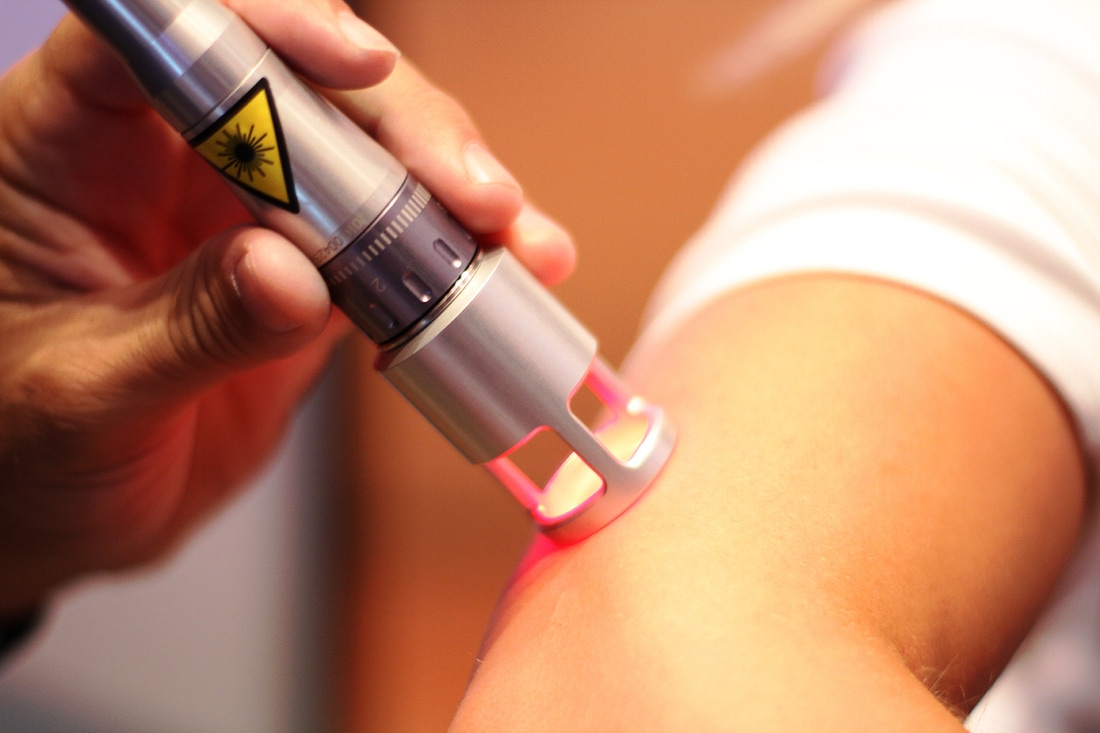
Inflammation is a natural part of the body’s healing response. When tissues are injured, irritated, or exposed to certain conditions, the body activates an inflammatory response to protect the affected area and begin the repair process. Acute inflammation can be helpful because it allows the body to respond to injury or illness. However, inflammation that persists for a long period can contribute to ongoing discomfort and tissue problems. The Mayo Clinic explains that inflammation is a normal immune response, while chronic inflammation can continue when the body’s inflammatory response does not properly switch off.
For people experiencing pain, stiffness, swelling, or slow recovery after an injury, supporting the body’s natural healing process can be an important part of care. Laser therapy is one non-invasive treatment approach that may help reduce inflammation while supporting tissue recovery.
At Dr. Kate McDonough’s office in Marshfield, Massachusetts, laser therapy is offered as a non-invasive option designed to help reduce inflammation, support tissue repair, and ease pain associated with injuries and chronic conditions. You can learn more about the treatment through the clinic’s Laser Therapy services.
Inflammation is not necessarily a bad thing. In fact, it is an important part of the body’s natural defense and repair system.
According to Cleveland Clinic, inflammation is the body’s response to injury, illness, or substances that do not belong in the body. During this process, inflammatory cells and signaling chemicals help begin the healing response.
Acute inflammation is generally temporary. It can cause symptoms such as:
Pain or tenderness
Swelling
Warmth
Redness or discoloration
Reduced range of motion
These symptoms can occur after an injury, infection, or other physical stress.
Chronic inflammation is different. It can continue for months or years and may contribute to ongoing health problems. Persistent joint pain, stiffness, fatigue, and other symptoms may sometimes occur alongside chronic inflammatory conditions.
The MedlinePlus explanation of the immune response also explains that inflammation occurs when tissues are injured by factors such as trauma, toxins, heat, bacteria, or other causes.
Understanding the difference between normal inflammation and persistent inflammation is important when considering treatment options.
Laser therapy is a non-invasive treatment that uses specific wavelengths of light directed toward targeted tissues.
Unlike surgical lasers that cut or remove tissue, therapeutic laser treatment is designed to interact with tissues without requiring an incision.
Dr. Kate McDonough’s current Services page describes laser therapy as a safe, non-invasive treatment that may help reduce inflammation, support tissue repair, and ease pain associated with injuries or chronic conditions.
The goal is to support the body’s natural recovery processes rather than simply mask discomfort.
1. It May Help Support the Inflammatory Response
Inflammation is a complex biological process. When an injury occurs, the body sends inflammatory cells and signaling molecules toward the affected area.
This response is necessary for healing, but prolonged inflammation may contribute to continued pain, swelling, and stiffness.
Laser therapy may help support the body’s natural inflammatory response by encouraging cellular activity within the treated area. This may make it a useful component of a broader approach to managing pain and supporting recovery.
The treatment should not be viewed as a way to eliminate all inflammation. Some inflammation is necessary for normal healing. Instead, the goal is to support a healthier recovery process.
2. It May Help Reduce Swelling
Swelling commonly accompanies inflammation.
After an injury, fluid and inflammatory substances may accumulate around the affected tissues. This can create pressure and contribute to discomfort or limited movement.
Laser therapy may help support local tissue processes involved in managing swelling.
Reducing excessive swelling may make movement more comfortable and allow a person to participate more easily in other recommended aspects of recovery.
3. It May Support Cellular Activity
Laser therapy is often discussed in connection with cellular activity and photobiomodulation.
The basic concept is that specific wavelengths of light may interact with cells and influence biological processes involved in tissue function and repair.
When tissues are recovering from injury, cells require energy to perform their normal functions. Supporting cellular activity may therefore help create a more favorable environment for tissue recovery.
This does not mean that laser therapy instantly repairs damaged tissue. Recovery still depends on the type and severity of the injury, the individual’s health, and other factors.
4. It May Support Tissue Repair
Inflammation frequently occurs alongside tissue injury.
For example, a muscle strain may involve irritation and inflammation around damaged muscle tissue. Tendon problems can involve inflammation and discomfort around the affected tendon. Joint conditions may also involve inflammation together with changes in the surrounding tissues.
Laser therapy may be used to support the body’s natural tissue-repair processes.
This is one reason the treatment may be considered for both acute injuries and certain chronic pain conditions.
5. It May Help Support Circulation
Healthy circulation plays an important role in tissue recovery.
Blood supplies oxygen and nutrients while helping transport waste products away from tissues.
Laser therapy may support local circulation as part of its overall effects on treated tissues. Supporting circulation may be particularly relevant when the goal is to create a healthier environment for recovery.
However, laser therapy should not be considered a replacement for evaluation of an underlying circulatory disorder.
Inflammation can be associated with many different types of pain.
At Dr. Kate McDonough’s practice, laser therapy is offered as part of care for a variety of acute and chronic pain concerns.
The clinic’s current information lists conditions including:
Acute and chronic pain
Ligament sprains
Muscle strain
Soft tissue injuries
Tendonitis
Arthritis
Tennis elbow
Back pain
Bursitis
Disc pain
Disc Degeneration
Carpal Tunnel Syndrome
Fibromyalgia
Wound healing
Nerve pain
Because these conditions can have different causes, treatment should be individualized.
For example, arthritis is not one single condition. The Mayo Clinic’s information on rheumatoid arthritis explains that rheumatoid arthritis is an autoimmune condition involving inflammation of the joints, while osteoarthritis has different underlying mechanisms.
This is why understanding the cause of pain and inflammation is important before selecting a treatment approach.
Sports injuries can cause inflammation, swelling, soreness, and restricted movement.
Sprains, strains, tendon irritation, and other soft-tissue injuries may interfere with normal activity and make it difficult to return to exercise or everyday routines.
Laser therapy may be incorporated into a broader recovery plan to help manage discomfort and support the body’s healing response.
Recovery may also involve appropriate movement, rest, rehabilitation, and other treatments depending on the injury.
The objective is not simply to make symptoms disappear temporarily. Instead, treatment can focus on helping the affected tissues recover while addressing the factors contributing to discomfort.
Arthritis can affect joints throughout the body and may contribute to pain, stiffness, swelling, and reduced mobility.
For people experiencing joint discomfort, reducing unnecessary irritation may help support more comfortable movement.
Laser therapy may be considered as a non-invasive treatment option for certain patients with arthritis-related pain.
However, laser therapy does not reverse every structural change associated with arthritis. The appropriate approach depends on the type of arthritis, severity of symptoms, overall health, and individual treatment goals.
Patients with persistent joint swelling or significant loss of function should receive an appropriate evaluation.
Chronic pain can be more complicated than pain from a recent injury.
When discomfort continues for an extended period, multiple factors may contribute to symptoms, including tissue irritation, previous injuries, movement limitations, nerve involvement, joint problems, or other underlying conditions.
Laser therapy may be incorporated into a comprehensive plan for certain chronic pain conditions.
The clinic’s Conditions We Treat page provides additional information about conditions addressed at Dr. Kate McDonough’s office, including several pain and musculoskeletal concerns.
An individualized evaluation can help determine whether laser therapy is appropriate for a particular situation.
Laser therapy is non-invasive and does not require surgical incisions.
The treatment is directed toward the area being addressed, with the specific approach depending on the condition and treatment goals.
Because each person’s symptoms and health history are different, the number of treatments and overall plan may vary.
A provider may consider factors such as:
The location of the problem
How long symptoms have been present
The severity of symptoms
Whether an injury is acute or chronic
The person’s overall health
Other treatments being used
This individualized approach helps ensure that laser therapy is being used as part of a broader strategy rather than as a one-size-fits-all treatment.
Supporting recovery often involves more than a single treatment.
Daily habits can influence how the body responds to stress and injury. Adequate sleep, appropriate physical activity, balanced nutrition, stress management, and avoiding tobacco can all contribute to overall health.
The Mayo Clinic discusses lifestyle factors such as physical activity, sleep, stress management, and nutrition in relation to chronic inflammation.
Likewise, Cleveland Clinic recommends appropriate evaluation when pain, swelling, or stiffness continues rather than improving.
Laser therapy may therefore be most useful when it is incorporated into an individualized plan that considers the underlying condition and the person’s overall health.
Not every person with pain or inflammation will need laser therapy.
Inflammation can have many causes, including injury, infection, autoimmune conditions, arthritis, and other health problems. Persistent or unexplained symptoms should not automatically be attributed to inflammation.
A proper evaluation can help determine what may be contributing to the problem and which treatment options may be appropriate.
Dr. Kate McDonough’s About Us page provides more information about Dr. McDonough’s background and approach to patient care.
If you are experiencing ongoing pain, swelling, stiffness, or difficulty moving, discussing your symptoms with a qualified healthcare professional can help you make a more informed decision about treatment.
Can laser therapy help reduce inflammation?
Laser therapy may help support the body’s natural healing response and may be used to help reduce inflammation, swelling, and pain associated with certain conditions. It should be considered as part of an individualized treatment plan rather than a universal treatment for every cause of inflammation.
Is laser therapy invasive?
No. Therapeutic laser therapy is a non-invasive treatment. It does not require surgical incisions.
Can laser therapy be used for arthritis?
Laser therapy may be considered for certain patients experiencing arthritis-related pain and inflammation. The appropriate treatment depends on the type of arthritis and the individual’s symptoms and health history.
Can laser therapy help with muscle injuries?
Laser therapy may be used as part of a recovery plan for certain muscle strains and soft-tissue injuries. Treatment should be individualized according to the nature and severity of the injury.
Can laser therapy be used for chronic pain?
Laser therapy may be incorporated into a comprehensive treatment plan for certain chronic pain conditions. Chronic pain can have multiple contributing factors, so identifying the underlying cause remains important.
How many laser therapy sessions are needed?
The number of treatments varies. The appropriate treatment schedule depends on the condition being addressed, how long symptoms have been present, the severity of the problem, and the individual’s response to care.
Is laser therapy a replacement for medical treatment?
No. Laser therapy should not be considered a replacement for appropriate diagnosis or treatment of an underlying medical condition. Persistent or unexplained symptoms should be evaluated by an appropriate healthcare professional.
Can laser therapy be combined with other treatments?
Laser therapy may be incorporated into a broader care plan when appropriate. Dr. Kate McDonough offers several non-invasive treatment options, including chiropractic care, spinal decompression, NeuroMed Matrix Therapy, and laser therapy through the clinic’s Services.
Inflammation is an important part of the body’s natural healing response, but persistent inflammation can contribute to pain, swelling, stiffness, and difficulty with normal movement. Understanding the underlying cause of inflammation is an important part of determining the most appropriate treatment approach.
Laser therapy offers a non-invasive option that may help support tissue recovery, reduce inflammation and swelling, and ease pain associated with certain injuries and chronic conditions. At Dr. Kate McDonough’s office in Marshfield, Massachusetts, laser therapy is offered for a range of concerns, including acute and chronic pain, arthritis, muscle strains, tendonitis, soft-tissue injuries, nerve pain, and other conditions.
Laser therapy is not a cure-all and should not replace appropriate medical evaluation. However, for appropriate patients, it may be a useful part of an individualized approach designed to support recovery and improve comfort.
If pain, inflammation, swelling, or slow recovery is affecting your daily activities, you do not have to ignore the problem.
Explore the Dr. Kate McDonough Homepage to learn more about the practice and its approach to non-invasive pain care.
You can also visit the Blog for additional educational information about laser therapy, chiropractic care, spinal health, and pain relief.
To explore available treatment options, visit Services. You can also review Conditions We Treat to learn more about the concerns addressed at the practice.
For more information about Dr. Kate McDonough and her professional background, visit About Us.
When you are ready to discuss your symptoms and possible treatment options, visit Contact Us.
Office Address: 844 Webster St, Marshfield, MA 02050, USA
Phone: (781) 635-9697
Email:drkatemcd@gmail.com