
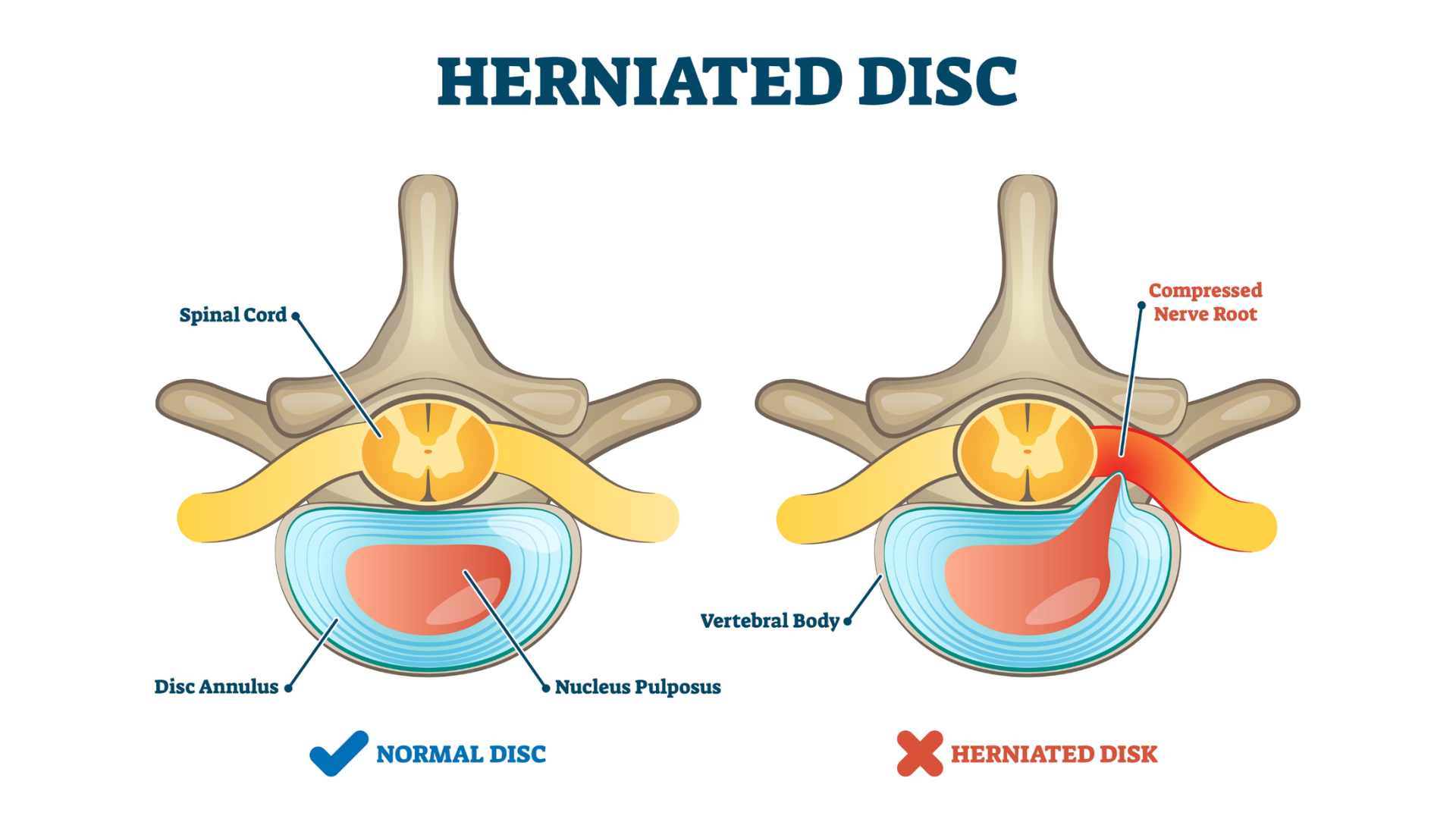
Bulging discs and chronic back pain are among the most common reasons individuals seek medical and chiropractic care worldwide. These conditions can vary significantly in severity, ranging from mild, occasional discomfort to intense, persistent pain that interferes with daily activities, mobility, sleep quality, work performance, and overall emotional well-being. Because the spine plays a central role in nearly every movement the body makes, even small disc problems can have a widespread impact on comfort and function.
A bulging disc occurs when one of the spinal discs—soft, gel-like cushioning structures located between the vertebrae—begins to extend outward beyond its normal boundary. Unlike a herniated disc, where the inner material breaks through the outer layer, a bulging disc keeps its outer layer intact. However, it can still create significant issues by pressing on nearby spinal nerves or surrounding tissues. This pressure may lead to localized pain, stiffness, muscle tension, or radiating symptoms such as numbness, tingling, or weakness in the arms or legs depending on the location of the affected disc.
Chronic back pain often develops when disc-related issues persist over time or when surrounding muscles, joints, and nerves become irritated, weakened, or inflamed. Over time, the body may also develop compensatory movement patterns that further contribute to discomfort and reduced function.
The encouraging news is that most cases of bulging discs and chronic back pain do not require surgery. Instead, many individuals experience significant improvement through conservative, gentle, and structured care approaches such as chiropractic care, physical therapy, spinal decompression therapy, lifestyle modifications, and targeted rehabilitation programs designed to restore movement, reduce inflammation, and support natural healing.
Spinal discs are soft, flexible structures located between each vertebra in the spine. They function as natural shock absorbers, helping the spine handle movement, impact, and daily physical stress while maintaining flexibility and stability. Each disc is made up of two main components:
A tough outer layer (annulus fibrosus) that provides structure and containment
A gel-like center (nucleus pulposus) that allows the disc to absorb pressure and distribute force evenly
When healthy, these discs maintain proper spacing between vertebrae and help protect the spinal nerves. However, when excessive pressure builds over time due to degeneration, injury, or repeated strain, the disc may begin to bulge outward beyond its normal boundary. This is known as a bulging disc. While the outer layer remains intact, the bulge can still irritate nearby nerves and surrounding tissues, leading to discomfort and reduced function.
Bulging discs typically develop gradually rather than from a single event, although sudden injuries can also contribute. Contributing factors include:
Age-related degeneration and natural wear and tear
Poor posture, especially prolonged sitting or slouching
Heavy lifting with improper form or sudden strain
Repetitive bending, twisting, or high-impact activities
Weak core and back muscles that fail to support the spine
Excess body weight increasing pressure on spinal structures
Sedentary lifestyle leading to reduced spinal flexibility
Previous injuries that compromise disc integrity
Symptoms vary depending on the location and severity of the bulging disc, as well as whether nearby nerves are affected. Common signs include:
Localized pain in the lower back, mid-back, or neck
Radiating pain into the arms, shoulders, buttocks, or legs
Tingling or “pins and needles” sensations
Numbness in affected areas
Muscle weakness or reduced grip/leg strength
Stiffness and reduced range of motion
Pain that worsens with certain movements, sitting, or standing for long periods
Understanding these symptoms early can help guide proper evaluation and encourage timely, conservative treatment before the condition progresses.
Chronic back pain is generally defined as pain that lasts longer than 12 weeks, even after the initial injury or triggering event has healed or stabilized. While it may begin with a specific issue such as a bulging disc, muscle strain, or joint irritation, it often becomes persistent due to a combination of physical, neurological, and behavioral factors. Over time, the body and nervous system can adapt in ways that unintentionally maintain or amplify pain signals.
In many cases, chronic pain is no longer just about tissue damage—it becomes a complex interaction between the spine, muscles, nerves, and brain’s pain-processing system.
Muscle guarding and tightness
Muscles surrounding the injured area may stay contracted to “protect” the spine, but this can reduce circulation, limit movement, and increase discomfort over time.
Nerve irritation or sensitization
When spinal nerves are compressed or inflamed for extended periods, they can become overly sensitive and continue sending pain signals even after the initial cause improves.
Ongoing inflammation
Low-grade inflammation in spinal joints, discs, or surrounding tissues can persist and contribute to continuous discomfort.
Poor movement habits and compensation patterns
To avoid pain, individuals often shift how they move, sit, or stand. These compensations can place uneven stress on other parts of the spine and surrounding muscles, worsening the problem.
Fear of movement (kinesiophobia)
Avoiding activity due to fear of pain can lead to stiffness, muscle weakening, and reduced spinal support, which may prolong recovery.
Deconditioning and weakness
Reduced physical activity leads to weaker core and back muscles, making the spine less stable and more vulnerable to strain.
Nervous system hypersensitivity
Over time, the nervous system may become “overprotective,” meaning it interprets normal movements or mild pressure as pain, even when tissue damage is minimal or absent.
Understanding these contributing factors is essential because chronic back pain often requires more than just treating the initial injury—it requires restoring healthy movement patterns, calming nerve sensitivity, and rebuilding strength and confidence in physical activity.
Chiropractic care focuses on improving spinal alignment and reducing pressure on affected discs and nerves.
Common techniques include:
Gentle spinal adjustments
Flexion-distraction therapy
Low-force instrument adjustments
Soft tissue therapy
Postural correction
These methods aim to restore motion and reduce nerve irritation without aggressive force.
Many patients experience gradual improvement over weeks with consistent care rather than instant relief.
Spinal decompression uses controlled traction to gently stretch the spine, creating space between vertebrae.
Benefits may include:
Reduced disc pressure
Improved nutrient flow to discs
Decreased nerve compression
Enhanced healing environment
This therapy is often performed over multiple sessions for best results.
Physical therapy plays a major role in long-term recovery by addressing the root causes of instability.
Key goals include:
Strengthening core muscles
Improving posture and biomechanics
Increasing flexibility
Teaching safe movement patterns
Exercises are tailored to avoid aggravating the disc while promoting healing.
Contrary to outdated beliefs, prolonged bed rest is not recommended for most disc injuries.
Helpful activities include:
Walking
Light stretching
Swimming
Controlled mobility exercises
Movement increases blood flow and supports healing tissues.
Non-invasive options may include:
Heat and cold therapy
Anti-inflammatory medications (short-term use)
Massage therapy
Relaxation techniques
These approaches help manage symptoms while the body heals naturally.
Long-term recovery from bulging discs and chronic back pain depends heavily on consistent daily habits. While clinical care plays an important role, what you do each day—how you sit, move, sleep, and maintain your body—can significantly influence healing speed, symptom relief, and long-term spinal health.
Proper posture helps reduce unnecessary stress on the spine and prevents further irritation of discs and nerves.
Avoid prolonged slouching when sitting or standing
Use ergonomic chairs that support the lower back and promote upright alignment
Keep screens at eye level to reduce neck strain
Maintain a neutral spine position during daily activities
Take frequent breaks from sitting to stand, stretch, and reset posture
A strong and stable core acts like a natural support system for the spine, reducing pressure on spinal discs and improving movement control.
Strengthen abdominal, back, and pelvic muscles to support spinal alignment
Engage in low-impact exercises such as walking, gentle pilates, or guided rehab routines
Focus on controlled movements rather than high-intensity strain during recovery
Improve stability to reduce the risk of re-injury or recurring pain
Excess body weight, especially around the abdomen, increases mechanical stress on the spine and can worsen disc pressure over time.
Maintain a healthy weight to reduce load on spinal structures
Adopt balanced nutrition to support tissue healing and reduce inflammation
Combine dietary improvements with gentle, consistent physical activity
Even modest weight reduction can significantly decrease back strain
Quality sleep is essential for tissue repair, inflammation control, and pain regulation. Poor sleep posture can worsen symptoms and delay recovery.
Use a supportive mattress that maintains spinal alignment
Sleep on your side with a pillow between the knees or on your back with knee support
Avoid sleeping positions that twist or strain the lower back or neck
Maintain a consistent sleep schedule to support overall healing and recovery
Chronic back pain is not just physical—it often affects mental and emotional health.
Common experiences include:
Frustration and anxiety
Reduced activity levels
Sleep disturbances
Fear of movement
Supportive care should address both physical and emotional recovery.
You should seek professional evaluation if you experience:
Severe or worsening pain
Loss of bladder or bowel control
Progressive weakness
Pain after trauma or accident
Symptoms lasting more than 6 weeks without improvement
Imaging such as MRI may be recommended in persistent cases.
Yes—most bulging discs improve over time with conservative care.
Healing depends on:
Severity of disc bulge
Activity levels
Treatment consistency
Lifestyle factors
Many individuals recover within weeks to months using non-surgical methods.
Recovery from bulging discs is typically gradual. Many patients experience improvement over weeks to months with consistent care.
Typical progression:
Early phase: Pain reduction and inflammation control
Middle phase: Improved mobility and reduced nerve irritation
Recovery phase: Strength building and stabilization
Maintenance phase: Prevention of recurrence
Consistency is key—especially combining professional care with home exercises.
Can a bulging disc heal without surgery?
Yes. Most bulging discs improve naturally over time with conservative treatments such as physical therapy, chiropractic care, rest, and gradual activity modification.
How long does recovery take?
Recovery time varies depending on severity. Mild cases may improve within weeks, while moderate to severe cases can take several months of consistent care.
Is chiropractic care safe for bulging discs?
Yes. When performed by a licensed and experienced professional using gentle, low-force techniques, chiropractic care is generally safe and helps reduce nerve pressure effectively.
What should I avoid with a bulging disc?
Avoid heavy lifting, prolonged sitting, poor posture, and sudden twisting or bending movements, especially during flare-ups or the acute painful phase of recovery.
What is the best exercise for recovery?
Walking is one of the safest exercises. It promotes blood flow, reduces stiffness, supports healing, and helps maintain gentle spinal mobility during recovery.
Bulging discs and chronic back pain can feel overwhelming, especially when symptoms interfere with daily activities, sleep, and overall quality of life. However, in many cases, the body has a strong and natural ability to heal when it is given the right support, time, and treatment approach. Even when pain has been present for weeks or months, improvement is often possible without the need for surgical intervention.
Gentle, non-invasive care strategies are often the foundation of effective recovery. Approaches such as chiropractic care, physical therapy, spinal decompression therapy, and targeted lifestyle modifications work together to address both the symptoms and underlying causes of pain. Rather than simply masking discomfort, these methods focus on improving spinal alignment, reducing nerve irritation, restoring mobility, and supporting the body’s natural healing processes.
Long-term success is not typically achieved through a single treatment alone, but through a combination of consistent care and healthy daily habits. The key elements of recovery include:
Consistency in following a structured care plan
Patience, as healing often occurs gradually over time
Active participation in movement and rehabilitation exercises
Ongoing attention to posture, strength, and lifestyle habits
A focus on reducing inflammation and improving spinal function
With the right guidance and a comprehensive, patient-centered approach, many individuals are able to reduce pain, regain mobility, and return to normal activities without surgery.
If you are struggling with bulging disc pain or chronic back discomfort, professional guidance can make a significant difference in your recovery journey.
Personalized evaluation and conservative treatment options can help you regain mobility, reduce pain, and improve your quality of life.
📍 Office Address: 844 Webster St, Marshfield, MA 02050, USA
📞 Phone: (781) 635-9697
📧 Email: drkatemcd@gmail.com
🌐 https://drkatemcdonough.com/