
Arthritis affects millions of people and remains one of the leading causes of chronic pain and reduced mobility. Whether it’s difficulty climbing stairs, opening jars, walking long distances, or simply getting out of bed in the morning, arthritis can significantly impact quality of life.
Many people rely on medications to manage symptoms, but long-term use of pain relievers and anti-inflammatory drugs may come with unwanted side effects. As a result, more individuals are searching for safe, non-invasive alternatives that address pain without depending on medication.
One treatment that has gained significant attention is laser therapy. This advanced, drug-free approach helps reduce inflammation, stimulate healing, and alleviate pain at the source. For individuals living with arthritis, laser therapy may offer a valuable option for improving comfort and restoring movement.
At Dr. Kate McDonough‘s office in Marshfield, Massachusetts, laser therapy is used as part of a comprehensive, non-invasive approach to pain relief and healing. The treatment is designed to reduce inflammation, improve circulation, accelerate tissue repair, and help patients regain function without surgery or medication.
Arthritis is not a single disease. Instead, it is a broad term used to describe conditions that cause inflammation, stiffness, and pain in the joints.
The two most common forms are:
Osteoarthritis is the most prevalent type of arthritis. It develops when the protective cartilage that cushions the ends of bones gradually wears away over time. For more clinical details on how this wear-and-tear occurs, you can read the Mayo Clinic‘s overview of Osteoarthritis.
As cartilage deteriorates, bones may begin rubbing against each other, resulting in:
Joint pain
Stiffness
Swelling
Reduced flexibility
Grinding sensations during movement
Osteoarthritis most commonly affects:
Knees
Hips
Hands
Spine
Shoulders
Age, previous injuries, repetitive stress, and excess body weight can increase the likelihood of developing osteoarthritis.’
Rheumatoid arthritis is an autoimmune condition in which the immune system mistakenly attacks healthy joint tissues.
This chronic inflammatory disease can cause:
Persistent joint swelling
Pain
Fatigue
Joint deformities
Reduced mobility
Unlike osteoarthritis, rheumatoid arthritis often affects joints symmetrically, meaning both sides of the body may experience symptoms simultaneously.
Regardless of the type, arthritis often produces symptoms that interfere with everyday activities.
These may include:
Aching joints
Morning stiffness
Swelling
Tenderness
Reduced range of motion
Joint instability
Difficulty walking or standing
Weakness around affected joints
As symptoms worsen, many individuals become less active, creating a cycle that can further contribute to joint stiffness and muscle weakness.
Many arthritis treatment plans focus primarily on symptom management.
Common options include:
Over-the-counter medications such as acetaminophen and nonsteroidal anti-inflammatory drugs (NSAIDs) are often used to reduce discomfort.
While they can provide temporary relief, prolonged use may increase the risk of:
Stomach irritation
Digestive issues
Kidney problems
Cardiovascular concerns
Steroid injections may temporarily reduce inflammation in affected joints.
However, repeated injections may not be appropriate for everyone and generally do not address the underlying degeneration occurring within the joint.
Exercise and rehabilitation programs can help improve strength, flexibility, and joint function.
Physical therapy remains an important component of many arthritis treatment plans.
For severe cases, joint replacement surgery may be recommended.
Although surgery can be effective, it often involves:
Significant recovery time
Rehabilitation
Surgical risks
Higher costs
Because of these limitations, many patients seek additional non-invasive therapies that can complement their overall care plan.
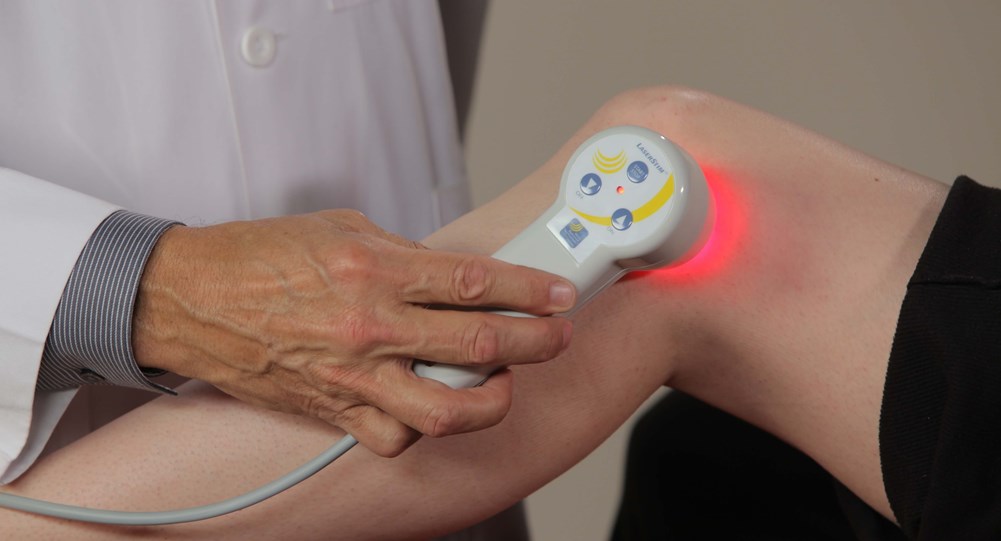
Laser therapy is a non-invasive treatment that uses specific wavelengths of light to stimulate the body’s natural healing processes.
Dr. Kate McDonough offers advanced laser therapy designed to reduce pain, swelling, and inflammation while promoting faster tissue recovery. The treatment is commonly used for arthritis, nerve pain, chronic pain conditions, and soft tissue injuries.
Unlike surgical lasers that cut tissue, therapeutic lasers deliver concentrated light energy into targeted areas without damaging surrounding structures.
The process is painless for most patients and generally requires no downtime.
Laser therapy works by penetrating deep into tissues where it interacts with cells and encourages biological responses that support healing. Research suggests therapeutic laser light can influence cellular activity, circulation, and tissue repair mechanisms.
Many arthritis sufferers are surprised to learn that laser therapy does more than simply mask symptoms.
Instead, it helps stimulate natural healing responses within the body.
Inflammation is one of the primary causes of arthritis pain.
When inflammation develops inside a joint, surrounding tissues can become swollen, irritated, and sensitive.
Laser therapy helps reduce inflammatory activity within the affected area, which may result in:
Less swelling
Reduced stiffness
Improved comfort
Better joint movement
According to Dr. Kate McDonough’s laser therapy program, reducing inflammation is one of the treatment’s primary benefits.
Healthy circulation plays a critical role in tissue repair.
When blood flow increases, oxygen and nutrients are delivered more efficiently to damaged tissues.
Laser therapy promotes circulation within the treatment area, helping support recovery and overall joint health.
Improved blood flow may also assist the body in removing waste products associated with inflammation.
Cells require energy to perform healing functions.
Laser therapy supports cellular activity by encouraging processes involved in tissue repair and regeneration.
Research indicates that therapeutic laser light can influence cellular metabolism and biological responses that contribute to healing.
For arthritis patients, enhanced cellular function may support healthier joint tissues and improved recovery.
Pain involves both tissue damage and nervous system responses.
Laser therapy may help reduce pain by influencing nerve activity and decreasing irritation within affected tissues.
Many patients report pain relief after treatment sessions, while others experience gradual improvements as healing progresses. Dr. Kate McDonough notes that some individuals notice changes after their first treatment, while others may require multiple sessions before significant improvement occurs.
Pain and stiffness often cause arthritis sufferers to avoid movement.
Unfortunately, reduced activity can worsen joint function over time.
By decreasing pain and inflammation, laser therapy may help patients move more comfortably and participate more fully in daily activities.
Improved movement often contributes to better overall health, stronger muscles, and greater independence.
One reason laser therapy continues to grow in popularity is its ability to provide meaningful benefits without many of the drawbacks associated with more invasive treatments.
Many patients prefer minimizing their reliance on medications whenever possible.
Laser therapy provides a non-pharmaceutical option that focuses on supporting the body’s natural healing processes.
There are:
No incisions
No injections
No anesthesia
No surgical recovery
Patients can typically resume normal activities immediately after treatment.
Laser therapy has been used for decades and is generally considered safe when administered properly.
According to Dr. Kate McDonough’s clinic, side effects are uncommon, with only occasional temporary sensitivity reported in some patients.
Many people appreciate the convenience of laser therapy.
Treatment sessions often take only a few minutes depending on the size of the area being treated. Dr. Kate McDonough reports that most laser therapy sessions typically last between four and eight minutes.
Laser therapy can be used for numerous musculoskeletal conditions beyond arthritis, including:
Tendonitis
Bursitis
Back pain
Sports injuries
Nerve pain
Soft tissue injuries
Its versatility makes it a valuable tool in comprehensive pain management programs.
Laser therapy may be beneficial for individuals experiencing:
Knee arthritis
Hip arthritis
Hand arthritis
Shoulder arthritis
Neck arthritis
Back arthritis
Joint inflammation
Chronic stiffness
Activity-related pain
Patients seeking alternatives to medications or looking to avoid more invasive procedures often find laser therapy particularly appealing.
Many people considering laser therapy wonder what the treatment experience is actually like. One of the reasons laser therapy has become increasingly popular is because it is simple, comfortable, and requires little disruption to a patient’s daily routine.
During a laser therapy appointment, a healthcare provider places the laser device over the affected joint or painful area. The device emits specific wavelengths of light that penetrate the tissues beneath the skin.
Most patients report feeling:
Little to no sensation
Mild warmth
A gentle soothing feeling
The treatment itself is non-invasive, meaning there are no needles, incisions, or medications involved.
At Dr. Kate McDonough’s office, most laser therapy sessions typically last between four and eight minutes, depending on the condition being treated and the size of the treatment area.
After the session is complete, patients can usually return immediately to their normal activities. There is generally no recovery period, making laser therapy a convenient option for individuals with busy schedules.
The number of laser therapy sessions required varies from person to person.
Several factors influence treatment recommendations, including:
The severity of arthritis
The duration of symptoms
The specific joints involved
Overall health status
Individual healing response
Some patients notice improvement after their first visit. Others experience gradual progress over several treatments.
Chronic arthritis often requires a series of sessions to achieve optimal results. Because arthritis develops over time, healing and symptom reduction may also occur progressively.
Many providers recommend an initial treatment plan followed by periodic maintenance sessions when necessary.
The goal is not simply temporary relief but supporting long-term joint health and function.
One of the biggest challenges associated with arthritis is chronic inflammation.
When inflammation persists for months or years, it can contribute to:
Ongoing pain
Joint stiffness
Tissue damage
Reduced mobility
Declining quality of life
Traditional approaches frequently focus on suppressing symptoms.
Laser therapy takes a different approach by supporting the body’s natural healing mechanisms.
By helping regulate inflammatory processes and encouraging tissue repair, laser therapy may create an environment that promotes healthier joint function over time.
This distinction is important because addressing inflammation at the source can potentially lead to more meaningful and lasting improvements.
For many patients, laser therapy works best as part of a comprehensive treatment strategy.
At Dr. Kate McDonough’s practice, laser therapy is often integrated with other non-invasive services designed to support musculoskeletal health and overall wellness.
Chiropractic care focuses on optimizing movement and function throughout the body.
When joints move properly and surrounding tissues function efficiently, patients may experience:
Better mobility
Improved posture
Reduced mechanical stress
Enhanced physical performance
Combining laser therapy with chiropractic care may provide complementary benefits.
While laser therapy helps address inflammation and tissue healing, chiropractic adjustments may help improve joint mechanics and movement patterns.
Together, these approaches can support a more comprehensive path toward pain relief and functional improvement.
When arthritis causes pain, avoiding movement often feels like the safest option.
Unfortunately, inactivity can create additional problems.
Lack of movement may lead to:
Increased stiffness
Muscle weakness
Reduced flexibility
Poor circulation
Greater functional limitations
Maintaining an active lifestyle is one of the most important steps individuals can take to manage arthritis effectively.
Activities often recommended for arthritis sufferers include:
Walking helps maintain joint mobility while supporting cardiovascular health.
Even short daily walks can make a positive difference.
Water reduces stress on the joints while allowing muscles to work effectively.
Many people with arthritis find aquatic exercise particularly comfortable.
Gentle stretching may help improve flexibility and reduce stiffness.
Consistent stretching can support better movement throughout the day.
Building muscle strength around affected joints may provide additional support and stability.
Strong muscles can help reduce the stress placed directly on arthritic joints.
When combined with therapies that address pain and inflammation, physical activity often becomes easier and more enjoyable.
Laser therapy can be a valuable tool, but healthy lifestyle habits also play a significant role in managing arthritis symptoms.
Excess body weight places additional stress on weight-bearing joints such as the knees, hips, and lower back.
Even modest weight reduction may decrease joint strain and improve comfort.
Many healthcare professionals recommend focusing on foods that support overall health and reduce inflammation.
Examples include:
Fruits
Vegetables
Fish rich in omega-3 fatty acids
Nuts
Seeds
Whole grains
Limiting highly processed foods and excessive sugar intake may also be beneficial.
Sleep is essential for tissue repair and recovery.
Poor sleep can increase pain sensitivity and worsen fatigue.
Developing healthy sleep habits may support both healing and overall well-being.
Chronic stress can contribute to increased muscle tension and heightened pain perception.
Helpful stress-management techniques may include:
Meditation
Deep breathing exercises
Yoga
Time outdoors
Relaxation practices
A holistic approach often produces the best results when managing chronic conditions such as arthritis.
Safety is one of the reasons many patients are attracted to laser therapy.
When administered by trained healthcare professionals, laser therapy has a strong safety profile and is considered non-invasive.
Because it does not involve surgery or medication, patients avoid many of the risks associated with more aggressive interventions.
Most individuals tolerate laser therapy very well.
Reported side effects are generally minimal and may occasionally include temporary sensitivity or mild soreness following treatment.
Before beginning care, patients should always discuss their medical history and treatment goals with their healthcare provider to determine whether laser therapy is appropriate for their specific situation.
No. Arthritis is generally considered a chronic condition. However, laser therapy may help reduce pain, inflammation, and stiffness while improving joint function and quality of life.
Most patients report little to no discomfort during treatment. Many find the sessions relaxing and comfortable.
Some patients experience improvement after their first treatment, while others notice gradual changes over multiple sessions.
Patients should never discontinue prescribed medications without consulting their healthcare provider. Laser therapy may be used as part of a comprehensive treatment plan and may help reduce dependence on certain pain-management strategies for some individuals.
Laser therapy may be used for many arthritic joints, including:
Knees
Hips
Shoulders
Hands
Wrists
Ankles
Neck
Back
No. Most patients can immediately return to their normal daily activities following treatment.
Yes. Many older adults choose laser therapy because it is non-invasive and does not require surgery or lengthy recovery periods.
Most sessions at Dr. Kate McDonough’s office typically last between four and eight minutes depending on the treatment area.
Yes. Laser therapy is often combined with chiropractic care, exercise programs, rehabilitation, and other conservative treatment approaches.
Individuals experiencing arthritis pain, stiffness, inflammation, or reduced mobility may be candidates. A consultation can help determine whether treatment is appropriate based on individual needs and health history.
Arthritis can have a profound impact on daily life, affecting mobility, comfort, independence, and overall well-being. While medications and traditional treatments continue to play an important role in arthritis management, many individuals are seeking additional solutions that support healing without relying solely on drugs or invasive procedures.
Laser therapy offers a promising, drug-free option for reducing pain, decreasing inflammation, improving circulation, and encouraging the body’s natural healing processes. Its non-invasive nature, minimal side effects, and convenience make it an appealing choice for many people living with arthritis.
By combining laser therapy with healthy lifestyle habits, regular movement, and comprehensive healthcare support, patients may experience meaningful improvements in both comfort and function.
If arthritis pain is limiting your ability to enjoy daily activities, laser therapy may help you move more comfortably and live more actively.
Dr. Kate McDonough provides advanced laser therapy treatments designed to reduce inflammation, promote healing, and support long-term wellness through safe, non-invasive care. Learn more about us and our philosophy, or explore our blog for more insights.
Schedule a consultation today to learn whether laser therapy may be the right solution for your arthritis symptoms.
Dr. Kate McDonough
📍 Office Address: 844 Webster St, Marshfield, MA 02050, USA
📞 Phone: (781) 635-9697
📧 Email: drkatemcd@gmail.com
🌐 Website: drkatemcdonough.com