
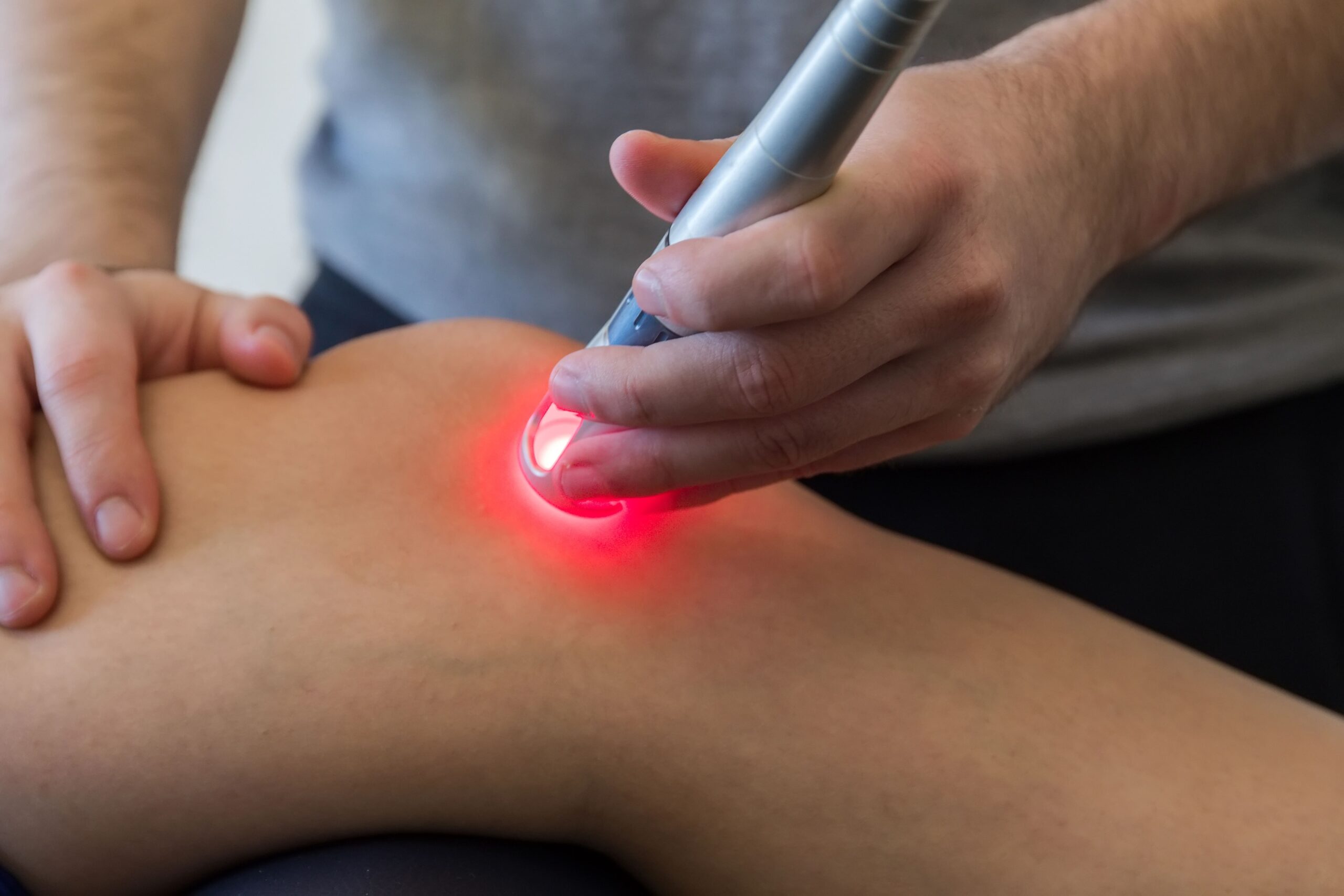
Pain and inflammation are among the most common health concerns affecting people of all ages, often resulting from injury, repetitive strain, aging, arthritis, or nerve-related conditions. When these issues become chronic, they can significantly interfere with daily activities, mobility, and overall quality of life. While medications are commonly used to manage discomfort, they typically provide only temporary relief and may not address the underlying cause of the problem. This has led many individuals to seek safer, more natural alternatives that promote long-term healing rather than symptom suppression.
In recent years, laser therapy has gained attention as an effective, non-invasive, and drug-free treatment option. Also known as low-level laser therapy (LLLT) or photobiomodulation therapy (PBM), this advanced approach uses specific wavelengths of light to penetrate the skin and stimulate healing at the cellular level. By enhancing energy production within cells, improving circulation, and reducing inflammation, laser therapy supports the body’s natural ability to repair damaged tissues. As a result, it not only helps relieve pain but also promotes faster recovery and improved function. This article explores how laser therapy works, its benefits, safety, and what patients can expect.
Laser therapy is a medical treatment that uses focused light energy to interact with tissues in the body. Unlike surgical lasers that cut or destroy tissue, therapeutic lasers use low-intensity light that does not generate heat or cause damage.
Instead, the light penetrates the skin and is absorbed by cells, triggering natural biological responses that promote healing.
The key principle behind laser therapy is photobiomodulation, which refers to the way light influences cellular function.
When tissues are exposed to specific wavelengths (typically red or near-infrared light), cells begin to function more efficiently, producing more energy and reducing inflammatory stress.
Laser therapy affects the body through several interconnected biological mechanisms that work together to promote healing and restore normal function. By stimulating cellular energy production, improving blood circulation, and reducing inflammatory responses, it creates an optimal environment for tissue repair. These effects help damaged cells recover more efficiently while also calming overactive pain signals. Because it addresses both the source of injury and the body’s response to it, laser therapy is effective for a wide range of conditions. This includes acute injuries like sprains as well as chronic issues such as arthritis, making it a versatile and reliable treatment option.
At the core of laser therapy is its effect on mitochondria, the energy-producing structures within cells. When light photons are absorbed, they stimulate the production of adenosine triphosphate (ATP).
ATP \rightarrow Cellular Energy
Increased ATP production leads to:
Faster tissue repair
Improved cell regeneration
Enhanced healing capacity
Reduced cellular fatigue
This is especially important in injured or inflamed tissues, where energy demand is high but supply is often limited.
Inflammation is a natural response to injury or irritation, but chronic inflammation can cause ongoing pain and tissue damage.
Laser therapy helps regulate inflammatory pathways by:
Reducing pro-inflammatory cytokines
Decreasing swelling and edema
Modulating immune responses
This leads to a more balanced healing environment where tissues can recover without excessive inflammatory interference.
Laser therapy enhances microcirculation in the treated area. Better circulation means:
Increased oxygen delivery
Improved nutrient transport
Faster removal of metabolic waste
This improved blood flow accelerates recovery and reduces stiffness and discomfort in affected tissues.
Laser therapy can influence nerve conduction and sensitivity. In many chronic pain conditions, nerves become overly sensitive or irritated.
Laser treatment helps by:
Reducing nerve hypersensitivity
Calming overactive pain signals
Supporting nerve regeneration in damaged areas
This is particularly beneficial for conditions like sciatica, and nerve compression syndromes.
Laser therapy may also stimulate the release of endorphins, the body’s natural pain-relieving chemicals. These neurotransmitters help:
Reduce pain perception
Promote relaxation
Improve mood and comfort
This contributes to both physical and emotional relief from chronic pain.
Collagen is essential for repairing connective tissues such as tendons, ligaments, and skin.
Laser therapy stimulates fibroblast activity, leading to:
Increased collagen production
Faster wound healing
Stronger tissue regeneration
This makes it highly effective for soft tissue injuries and post-surgical recovery.
Laser therapy is widely used in physical medicine, rehabilitation, chiropractic care, sports medicine, and pain management due to its versatility and effectiveness. It helps reduce pain, decrease inflammation, and accelerate tissue repair across a variety of conditions, from acute injuries to chronic disorders. Healthcare professionals incorporate it into treatment plans to enhance recovery, improve mobility, and support overall function without relying on medications or invasive procedures. Its ability to target specific areas makes it especially valuable for athletes, individuals recovering from injuries, and patients managing long-term pain conditions, making it a trusted tool in modern therapeutic care.
Lower back pain
Neck pain and stiffness
Shoulder impingement
Knee osteoarthritis
Muscle strains
Osteoarthritis
Rheumatoid arthritis
Degenerative disc disease
Chronic joint inflammation
Sprains and ligament injuries
Tendonitis (Achilles, tennis elbow, etc.)
Muscle tears
Overuse injuries
Sciatica
Carpal tunnel syndrome
Pinched nerves
Post-operative swelling
Scar tissue reduction
Wound healing support
Sports injury rehabilitation
Not all laser treatments are the same, as different devices, wavelengths, and energy levels are selected depending on the condition being treated and the depth of the target tissue. Superficial issues, such as skin wounds or surface inflammation, may respond better to lower wavelengths that affect shallow layers. In contrast, deeper musculoskeletal problems like joint pain, muscle injuries, or nerve irritation often require higher-powered or near-infrared lasers that can penetrate further into tissues. The choice of settings is carefully adjusted by trained professionals to ensure optimal results, maximize healing effects, and safely match the specific needs of each patient.
1. Low-Level Laser Therapy (LLLT)
Also called cold laser therapy, LLLT uses low-intensity light to stimulate healing without heating tissue.
2. High-Power Laser Therapy
This type penetrates deeper tissues and is often used for chronic pain and deep musculoskeletal conditions.
3. Red Light Therapy
Primarily used for superficial tissues, skin healing, and cosmetic applications.
4. Near-Infrared Therapy
Penetrates deeper into muscles, joints, and nerves, making it effective for orthopedic conditions.
Laser therapy is increasingly popular because it offers multiple advantages compared to traditional pain management approaches. Unlike medications that only mask symptoms, laser therapy addresses the underlying cause by stimulating cellular repair and reducing inflammation at the source of pain. It is non-invasive, drug-free, and requires no recovery time, making it convenient for patients with busy lifestyles. Treatments are typically painless and can be combined with other therapies such as physical rehabilitation or chiropractic care. Additionally, it carries minimal risk of side effects, making it a safe and effective option for long-term pain management and improved overall tissue healing and function.
Non-invasive and painless
No drugs or chemicals required
No downtime after treatment
Targets the root cause of pain
Supports natural healing mechanisms
Can be combined with other therapies
Safe for long-term use
Unlike medications that often mask symptoms, laser therapy promotes actual tissue repair.
A typical laser therapy session is simple, comfortable, and quick.
Step 1: Evaluation
The provider identifies the painful or inflamed area and determines treatment settings.
Step 2: Application
A handheld laser device is placed directly on or near the skin.
Step 3: Treatment Process
Light energy is delivered into tissues for several minutes. Patients usually experience:
Gentle warmth
Mild tingling
Or no sensation at all
Step 4: Post-Treatment
There is no recovery time required. Patients can immediately resume normal activities.
Acute conditions: 3–6 sessions
Chronic conditions: 8–15+ sessions
Maintenance therapy: as needed
Each session typically lasts between 5 and 20 minutes.
Laser therapy is widely considered safe when administered by trained professionals because it uses low-intensity, non-ionizing light that does not damage tissues or produce harmful radiation. Unlike invasive procedures, it does not involve cutting, drugs, or anesthesia, which significantly reduces the risk of complications. When properly applied, it targets only the affected areas, promoting healing without harming surrounding healthy tissue. Side effects are rare and usually mild, such as temporary soreness or slight redness. Its strong safety profile makes it suitable for a wide range of patients, including those seeking non-invasive, drug-free treatment options for pain and inflammation management.
Safety Features:
Non-ionizing light (no radiation risk)
No burning or tissue damage
No medication interactions
Suitable for long-term use
Precautions:
Avoid direct exposure to eyes
Use caution during pregnancy (depending on area treated)
Not applied directly over active cancer sites
Overall, side effects are rare and usually mild, such as temporary soreness as tissues heal.
One of the most important aspects of laser therapy is that it works in harmony with the body’s natural biological systems rather than opposing them. Instead of masking symptoms or forcing artificial changes, it supports and enhances the body’s own healing processes at the cellular level. By stimulating energy production, improving circulation, and reducing inflammation, laser therapy helps the body repair damaged tissues more efficiently. This gentle approach encourages long-term recovery rather than temporary relief. Because it aligns with natural physiology, it is well tolerated, non-invasive, and suitable for a wide range of conditions involving pain and inflammation.
Instead of suppressing symptoms, it enhances:
Cellular energy production
Tissue regeneration
Immune response regulation
Natural anti-inflammatory processes
This makes it an excellent option for individuals seeking holistic or integrative care solutions.
Laser therapy is ideal for:
Athletes recovering from injuries
Individuals with chronic joint pain
Patients with nerve-related conditions
People seeking drug-free pain relief
Post-surgical rehabilitation patients
It is also commonly used in combination with chiropractic care, physical therapy, and rehabilitation programs.
1. How long does it take for laser therapy to work?
Some patients notice improvement after 1–3 sessions, while chronic conditions may take several weeks.
2. Is laser therapy scientifically proven?
Yes. Numerous studies support photobiomodulation therapy for pain reduction, inflammation control, and tissue repair.
3. Does laser therapy hurt?
No. It is a painless procedure, and most patients feel only mild warmth or nothing at all.
4. Can laser therapy replace surgery?
In some cases, it may reduce the need for surgery, but severe conditions may still require surgical intervention.
5. Are the results permanent?
Results can be long-lasting, especially when combined with lifestyle improvements and rehabilitation.
6. How many sessions will I need?
This depends on the severity of the condition. Acute injuries require fewer sessions than chronic conditions.
7. Can laser therapy be used with other treatments?
Yes. It is often combined with physical therapy, chiropractic care, and exercise programs.
Laser therapy represents a major advancement in non-invasive pain management and tissue healing. By using targeted light energy, it stimulates cellular repair, reduces inflammation, improves circulation, and supports the body’s natural healing processes.
Unlike traditional approaches that rely heavily on medications or invasive procedures, laser therapy offers a gentle and effective alternative that addresses the root cause of pain rather than simply masking symptoms.
For individuals suffering from chronic pain, sports injuries, arthritis, or nerve-related conditions, laser therapy provides a promising pathway toward long-term relief and improved quality of life.
As research continues to expand, this treatment is becoming an essential part of modern integrative healthcare.
If you are experiencing pain, inflammation, or slow recovery from injury and are seeking a natural, non-invasive solution, laser therapy may be the right option for you.
To learn more or schedule a consultation, contact:
Dr Kate McDonough
 Office Address: 844 Webster St, Marshfield, MA 02050, USA
 Phone: (781) 635-9697
 Email: drkatemcd@gmail.com
Visit: https://drkatemcdonough.com/
Take the next step toward natural healing, reduced pain, and improved wellness today.