
Chronic back pain affects millions of people worldwide, interfering with daily activities, work, and overall quality of life. Many individuals struggle with discomfort for years, often resorting to medications, injections, or even surgery. These treatments can be expensive, carry risks, and sometimes fail to address the root cause of pain.
At Marshfield Pain Relief, Dr. Kate McDonough offers an innovative, non-invasive solution: non-surgical spinal decompression. This advanced therapy is designed to relieve pain, restore mobility, and help patients regain control of their lives—all without surgery or prolonged recovery periods.
This comprehensive guide will explore what spinal decompression is, how it works, who can benefit, and why it is a preferred alternative to traditional pain management methods.
Spinal decompression is a medical treatment aimed at relieving pressure on the spinal discs. Discs are soft, gel-like cushions located between the vertebrae of the spine. They act as shock absorbers, allowing for flexibility and movement. Over time, these discs can become compressed, bulge, or herniate due to injury, aging, poor posture, or repetitive strain.
When a disc is compressed or herniated, it may press against nearby nerves, causing pain, numbness, or tingling in the back, neck, or extremities. This nerve compression can lead to chronic discomfort, limited mobility, and, in severe cases, loss of function.
Non-surgical spinal decompression works by gently stretching the spine, creating negative pressure within the discs. This process encourages the retraction of bulging discs, improves nutrient flow, reduces nerve compression, and promotes natural healing.
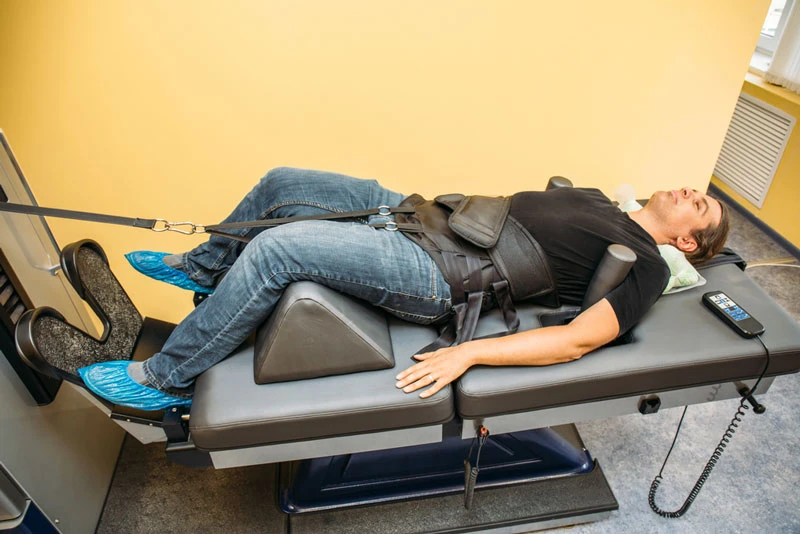
The therapy is delivered using a specialized motorized table designed to apply precise, controlled traction to the spine. During a session, patients lie comfortably on the table while the machine gently stretches and relaxes the spine in a carefully programmed sequence. This process relieves pressure on discs and nerves, promotes healing, and reduces pain. Most patients find the treatment relaxing, and over multiple sessions, mobility improves and discomfort decreases significantly.
Patient Evaluation: Before starting treatment, Dr. McDonough conducts a thorough assessment, including physical evaluations and diagnostic imaging, to determine the exact location of spinal compression and develop a personalized plan.
Patient Positioning: The patient lies comfortably on the decompression table. Straps secure the pelvis and torso to ensure targeted spinal stretching.
Gentle Stretching: The table applies a controlled pulling force, elongating the spine. This stretching alternates with relaxation periods, creating negative pressure within the discs.
Disc Rehydration and Healing: The negative pressure allows bulging or herniated discs to retract and promotes the flow of oxygen, water, and nutrients into damaged discs. This accelerates natural healing and reduces pain.
Progressive Treatment: Each session is tailored to the patient’s condition. Most treatment plans include 15–20 sessions over 4–6 weeks, though many patients notice significant improvement in the first few visits.
Non-surgical spinal decompression offers several advantages over traditional treatments, providing a safe and non-invasive alternative for individuals with back or neck pain. Unlike surgery, it involves gentle spinal stretching to relieve pressure on discs and nerves without the risks associated with invasive procedures. Patients often experience reduced pain, improved mobility, and faster recovery. Additionally, it can be combined with complementary therapies, promoting long-term spinal health and overall wellness while minimizing downtime and complications.
One of the primary benefits is the ability to relieve pain without invasive procedures. Patients with herniated discs, sciatica, or chronic back pain often experience dramatic improvement after just a few sessions. Unlike medications, which mask pain, spinal decompression addresses the underlying cause.
By restoring proper alignment and reducing nerve compression, patients often regain their range of motion and flexibility. This improvement can enhance daily activities, from bending and lifting to exercising and maintaining good posture.
Spinal decompression is non-invasive, meaning it does not require anesthesia, incisions, or hospitalization. When performed by trained professionals like Dr. McDonough, it is safe and effective for most patients.
Unlike surgery, which requires weeks or months of recovery, spinal decompression allows patients to continue their normal activities immediately after treatment. The gentle stretching is relaxing and often feels like a therapeutic massage.
By addressing the root cause of disc compression, spinal decompression promotes natural healing. This reduces the likelihood of future injury or recurring pain, providing long-term relief and improved spinal health.
Spinal decompression is suitable for a wide range of conditions, including herniated or bulging discs, sciatica, degenerative disc disease, spinal stenosis, and chronic back or neck pain. It can also benefit patients recovering from injuries or experiencing nerve compression. By gently stretching the spine, this non-invasive treatment helps relieve pressure on nerves, promotes healing of affected discs, improves mobility, and reduces discomfort, offering an effective solution for many spinal health issues.
Herniated or Bulging Discs: Reduces disc pressure and nerve compression.
Degenerative Disc Disease: Slows degeneration and promotes healing.
Sciatica: Relieves pressure on the sciatic nerve, reducing leg pain and numbness.
Chronic Lower Back Pain: Alleviates long-standing discomfort from spinal stress.
Neck Pain: Targets cervical disc compression and improves neck mobility.
Nerve Compression: Reduces tingling, numbness, and weakness caused by pinched nerves.
Failed Back Surgery Syndrome: Offers an alternative when previous surgeries did not resolve pain.
Dr. McDonough customizes treatment plans based on each patient’s diagnosis, lifestyle, and response to therapy, ensuring optimal outcomes.
A typical spinal decompression session lasts between 30 and 45 minutes. During this time, patients can expect to lie comfortably on a specialized table while gentle, controlled stretching is applied to the spine. The treatment helps relieve pressure on discs and nerves, promoting healing and reducing pain. Many patients report a relaxing experience, and some may feel immediate relief. Over multiple sessions, improved mobility, reduced discomfort, and enhanced spinal health are often achieved.
Comfortable Positioning: Patients lie on the decompression table, with straps securing the torso and pelvis.
Gentle Traction: The machine stretches the spine using precise, controlled force. Patients may feel a mild pulling or stretching sensation.
Relaxation: Most patients find sessions relaxing, similar to a therapeutic massage.
Follow-Up Care: Treatment plans may include additional therapies such as physical therapy exercises, posture correction, and lifestyle guidance.
Many patients report immediate relief from pain after just a few sessions. Over the course of treatment, improvements in flexibility, posture, and overall spinal health become noticeable. The therapy is generally well-tolerated, with minimal side effects such as mild soreness, which usually resolves quickly.
Spinal decompression is ideal for individuals experiencing chronic back or neck pain, herniated or bulging discs, sciatica, or spinal stenosis. This non-invasive treatment gently stretches the spine, relieving pressure on nerves and promoting healing of affected discs. Patients with discomfort from injuries, degenerative disc disease, or nerve compression may find significant relief. By targeting the root causes of pain, spinal decompression can improve mobility, reduce discomfort, and enhance overall spinal health over time.
Persistent back or neck pain
Sciatica or radiating leg pain
Disc injuries from sports, accidents, or work-related strain
Poor posture or spinal misalignment
Pain unresponsive to conventional treatments
It is suitable for patients of all ages, provided a medical evaluation determines they are appropriate candidates. People with certain conditions, such as severe osteoporosis or spinal fractures, may require alternative treatments.
Numerous studies support the effectiveness of non-surgical spinal decompression. Research shows that controlled spinal traction can reduce disc herniation, relieve nerve compression, and improve blood flow to damaged tissues. Patients often experience decreased inflammation, improved disc hydration, and enhanced healing rates.
Spinal decompression is also supported by clinical guidelines as a safe alternative to surgery for patients with chronic disc-related pain.
At Marshfield Pain Relief, Dr. McDonough frequently combines spinal decompression with complementary therapies to achieve the best possible outcomes for patients. By integrating treatments such as physical therapy, massage, and targeted exercises, patients experience enhanced pain relief, improved mobility, and faster recovery. This comprehensive approach addresses both the underlying causes of spinal issues and supporting musculoskeletal health, ensuring long-lasting results and promoting overall wellness for those seeking effective, non-invasive pain management solutions.
Physical Therapy: Strengthens muscles supporting the spine, improving stability and reducing future injury risk.
Chiropractic Adjustments: Restores spinal alignment and enhances decompression effects.
Posture Training: Educates patients on ergonomic practices and daily habits to prevent recurrence.
Nutritional Guidance: Supports tissue healing and overall spinal health.
This holistic approach ensures patients receive comprehensive care addressing both symptoms and root causes.
Patients who undergo spinal decompression can significantly enhance their recovery and long-term results by adopting healthy habits. Maintaining proper posture, engaging in regular low-impact exercise, and following a balanced diet rich in nutrients that support bone and muscle health are essential. Staying hydrated, getting adequate sleep, and avoiding activities that strain the spine further contribute to healing. Incorporating these lifestyle practices promotes faster recovery, reduces discomfort, and helps maintain spinal health over time.
Maintain Proper Posture: Avoid slouching and use ergonomic chairs.
Exercise Regularly: Low-impact activities like walking, swimming, and yoga strengthen core muscles.
Lift Safely: Use your legs, not your back, when lifting heavy objects.
Stay Hydrated: Proper hydration supports disc health.
Manage Stress: Stress can contribute to muscle tension and spinal pain.
Following these guidelines helps sustain the benefits of spinal decompression and promotes long-term spinal wellness.
Q1: Is spinal decompression safe?
Yes. When performed by trained professionals, it is a safe, non-invasive treatment suitable for most patients.
Q2: Does it hurt?
No. Most patients feel a gentle stretching sensation, not pain. Sessions are relaxing and comfortable.
Q3: How soon will I see results?
Many patients notice improvement within 3–5 sessions, though full benefits are typically realized after completing the treatment plan.
Q4: Will I need surgery afterward?
Not usually. Spinal decompression often eliminates the need for surgical intervention.
Q5: Can it help with other conditions like migraines or nerve-related problems?
While primarily targeting spinal issues, improving spinal alignment can positively impact nerve function and reduce related pain.
Q6: How long do sessions last?
Each session typically lasts 30–45 minutes.
Q7: Can I continue my daily activities during treatment?
Yes. The therapy is non-invasive and does not require downtime.
John, 42: After years of chronic lower back pain, John found relief after 8 spinal decompression sessions. He regained flexibility, reduced pain, and returned to his favorite sports.
Mary, 55: Mary suffered from sciatica for over a year. Non-surgical decompression relieved her leg pain, improved mobility, and allowed her to resume walking and gardening.
Alex, 33: Following a minor car accident, Alex developed a bulging disc. Dr. McDonough’s personalized decompression plan helped him recover without surgery and return to work pain-free.
Non-surgical spinal decompression at Marshfield Pain Relief offers a safe, effective, and non-invasive solution for individuals struggling with chronic back and neck pain. This therapy focuses on addressing the underlying causes of discomfort rather than just masking symptoms. By gently stretching the spine using a specialized motorized table, spinal decompression relieves pressure on compressed discs and nerves, promoting natural healing and reducing pain. Over time, patients often experience improved mobility, enhanced flexibility, and a better overall quality of life.
Spinal decompression is especially beneficial for those dealing with herniated or bulging discs, sciatica, degenerative disc disease, spinal stenosis, or chronic spinal pain. Unlike surgery or long-term medication, this therapy provides a non-invasive alternative that allows patients to regain an active lifestyle safely. When combined with complementary treatments like physical therapy or targeted exercises, spinal decompression can maximize results, helping patients recover faster and maintain long-term spinal health.
📅 Schedule Your Consultation Today!
Take the first step toward a pain-free life with Dr. Kate McDonough’s expert care.
📍 Office Address: 844 Webster St, Marshfield, MA 02050, USA
📞 Phone: (781) 635-9697
📧 Email: drkatemcd@gmail.com
Experience gentle, effective, non-surgical spinal decompression and rediscover a life free of chronic pain.