
Chronic back and neck pain are among the leading causes of disability worldwide, affecting millions of people across all age groups. Whether caused by long hours at a desk, physically demanding jobs, poor posture, or injuries, modern lifestyles place tremendous strain on the spine. Over time, this stress can lead to discomfort, reduced mobility, and serious spinal conditions that interfere with daily life. For many years, surgery was often viewed as the final and most effective solution for severe spinal issues. However, growing awareness of surgical risks, long recovery periods, and high costs has led many patients to explore alternative options.\n\nToday, advances in non-surgical spine care are revolutionizing the way pain is managed and treated. Patients now have access to innovative, non-invasive therapies that focus on addressing the root cause of the problem rather than simply masking symptoms with medication. These treatments aim to restore proper spinal alignment, reduce inflammation, and support the body’s natural healing processes. As a result, individuals often experience not only pain relief but also improved mobility, better posture, and enhanced overall well-being.\n\nIn this comprehensive guide, we will explore how you can restore your spine without surgery, the most effective modern treatment options available, and why this approach represents the future of safe, sustainable pain relief.
The spine is one of the most essential structures in the human body, serving as the central support system that keeps you upright and mobile. It supports your body weight, enables a wide range of movements such as bending, twisting, and standing, and plays a vital role in maintaining balance and posture. In addition, the spine protects the spinal cord, a critical part of the nervous system that carries messages between the brain and the rest of the body. Without a healthy spine, everyday activities can become difficult, painful, and limited, affecting overall quality of life and long-term physical well-being.
33 vertebrae
Intervertebral discs that act as cushions
Ligaments and muscles that provide stability
Nerves that transmit signals throughout the body
When any part of this system becomes damaged or misaligned, it can result in pain, reduced mobility, and even nerve-related symptoms such as tingling or numbness.
Understanding what causes spinal issues is the first step toward effective treatment and long-term relief. Many factors contribute to spine-related problems, often developing gradually over time. Poor posture, especially from prolonged sitting or improper ergonomics, places constant strain on the spine. Injuries from accidents, sports, or heavy lifting can also damage spinal structures. Age-related conditions like degenerative disc disease naturally weaken the spine, while a sedentary lifestyle reduces muscle support. Additionally, stress can lead to muscle tension, particularly in the neck and back. Identifying these common causes helps guide proper care, prevention strategies, and personalized treatment plans for better spinal health.
1. Poor Posture
Sitting for long hours, especially with improper ergonomics, places excessive strain on the spine.
2. Herniated or Bulging Discs
When spinal discs shift out of place, they can press on nearby nerves, causing pain and discomfort.
3. Degenerative Disc Disease
A natural part of aging, this condition involves the gradual breakdown of spinal discs.
4. Injuries and Accidents
Sports injuries, falls, or car accidents can damage the spine and surrounding tissues.
5. Sedentary Lifestyle
Lack of physical activity weakens muscles that support the spine, increasing the risk of pain.
6. Stress and Muscle Tension
Emotional stress often leads to tight muscles, particularly in the neck and back.
While surgery can be necessary in extreme cases, it is no longer the first option for many patients seeking relief from spinal pain. This shift is largely due to increasing awareness of the potential risks, costs, and limitations associated with surgical procedures. Many people are now exploring safer, less invasive alternatives that focus on healing rather than simply correcting structural issues. Non-surgical treatments often involve shorter recovery times, fewer complications, and more personalized care. As a result, patients are becoming more proactive in choosing conservative approaches that support long-term wellness and reduce the likelihood of recurring pain or additional procedures in the future.
Infection and complications
Long recovery periods
High medical costs
Scar tissue formation
Possibility of recurring pain
In many cases, surgery does not address the underlying cause of the problem, which can lead to continued discomfort even after recovery.
Modern spine care has evolved significantly, emphasizing minimally invasive and holistic approaches that prioritize patient comfort and long-term results. These treatments are carefully designed to restore proper spinal alignment, improve overall function, and encourage the body’s natural healing processes. Rather than relying on aggressive procedures, healthcare providers now focus on techniques that reduce strain and support recovery.\n\nUnlike surgery, non-invasive treatments work in harmony with the body instead of disrupting it. They enhance the body’s natural ability to repair damaged tissues, reduce inflammation, and strengthen supporting structures, ultimately leading to more sustainable relief, improved mobility, and better overall spinal health.
Chiropractic adjustments are a popular non-surgical treatment that gently realigns the spine. By restoring proper alignment, these adjustments help reduce pressure on nerves, alleviate pain, and improve overall mobility. Regular chiropractic care can enhance posture, support spinal health, and promote the body’s natural ability to heal and function effectively.
Benefits include:
Immediate pain relief
Improved posture
Enhanced flexibility
Better nervous system function
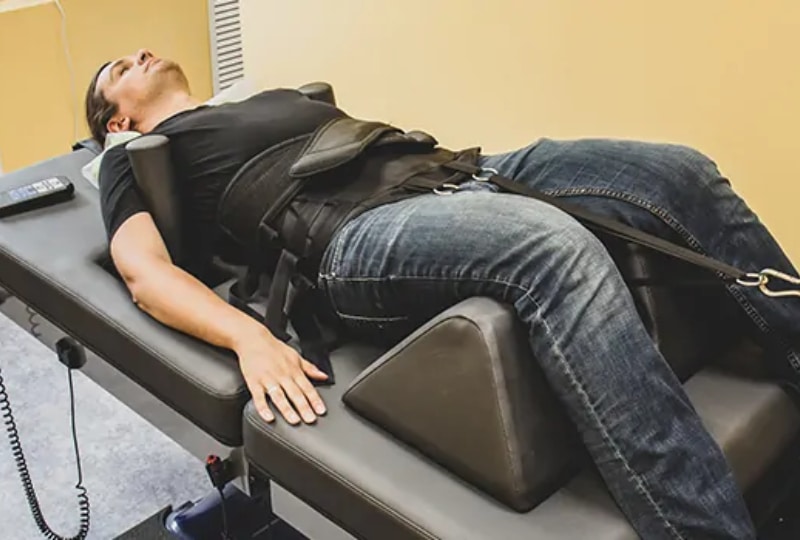
Spinal decompression therapy uses a specialized table to gently stretch the spine, relieving pressure on discs and nerves. This process helps bulging or herniated discs retract, reduces pain, improves circulation, and promotes natural healing. It is a safe, non-invasive treatment for conditions like sciatica and chronic back discomfort.
It is especially effective for:
Sciatica
Herniated discs
Chronic lower back pain
Physical therapy is a non-surgical approach that focuses on strengthening the muscles supporting the spine, improving flexibility, and correcting improper movement patterns. Through targeted exercises and guided techniques, it helps reduce pain, prevent further injury, enhance mobility, and promote long-term spinal health, enabling patients to perform daily activities more comfortably.
A customized program may include:
Stretching exercises
Strength training
Postural correction
Mobility drills
Innovative regenerative treatments, including platelet-rich plasma (PRP) and stem cell therapy, are rapidly gaining popularity in non-surgical spine care. These therapies stimulate the body’s natural healing processes, reduce inflammation, repair damaged tissues, and promote long-term recovery. They offer promising results for conditions like disc injuries, chronic back pain, and degenerative spinal disorders.
These therapies:
Stimulate tissue repair
Reduce inflammation
Accelerate healing
Therapeutic massage is an effective non-surgical treatment that helps relax tight muscles, improve blood circulation, and alleviate stress-related tension. By targeting specific areas of discomfort, massage therapy reduces pain, enhances flexibility, and supports overall spinal health, contributing to faster recovery and improved physical and mental well-being.
Small, consistent changes in daily habits can greatly improve spinal health and prevent pain. Maintaining a properly arranged workstation, taking regular movement breaks, and practicing mindful posture are essential strategies. These adjustments reduce strain on the spine, support proper alignment, and promote long-term comfort, mobility, and overall well-being.
Choosing non-invasive spine care offers numerous advantages for individuals seeking safe and effective pain relief. These treatments eliminate the need for surgical incisions, reducing the risk of complications such as infection or nerve damage. Patients typically experience faster recovery times, allowing them to return to daily activities sooner. Non-invasive approaches are also more cost-effective and focus on addressing the root cause of the problem rather than just the symptoms. Additionally, care plans are often personalized to fit each patient’s specific condition and lifestyle. This holistic approach promotes long-term healing, improved mobility, and a better overall quality of life without the stress of surgery.
1. Reduced Risk
No incisions or anesthesia means fewer complications.
2. Faster Recovery
Patients can return to daily activities much sooner.
3. Cost-Effective
Non-surgical treatments are often more affordable than surgery.
4. Personalized Care
Treatment plans are tailored to each individual’s needs.
5. Long-Term Results
By addressing the root cause, these therapies provide lasting relief.
Non-surgical spine treatments are suitable for many individuals, including:
Office workers with chronic pain
Athletes recovering from injuries
Seniors with degenerative conditions
Individuals seeking alternatives to surgery
However, a proper evaluation is essential to determine the most effective approach.
Advancements in technology are playing a major role in shaping the future of pain relief, especially in the field of spinal care. Modern tools and innovations allow healthcare providers to diagnose conditions more accurately and develop highly targeted treatment plans. Technologies such as digital posture analysis, advanced imaging systems, and computer-assisted therapies help identify the root cause of pain with greater precision. These developments also improve patient outcomes by enabling safer, more efficient, and less invasive treatments. As technology continues to evolve, it is making pain management more personalized, effective, and accessible, giving patients better options for long-term relief and improved quality of life.
Digital Posture Analysis
Allows practitioners to identify imbalances and track progress over time.
Advanced Imaging
Provides detailed insights into spinal conditions without invasive procedures.
AI and Personalized Treatment Plans
Emerging tools help create highly customized care strategies for better outcomes.
Prevention is just as important as treatment. Here are some strategies to maintain a healthy spine:
Maintain proper posture while sitting and standing
Exercise regularly to strengthen core muscles
Take breaks from prolonged sitting
Use ergonomic furniture
Stay hydrated and maintain a balanced diet
Practice stress management techniques
Consistency in these habits can significantly reduce the risk of future issues.
Many patients who once believed surgery was their only option have successfully restored their spine through non-invasive treatments. They report:
Reduced or eliminated pain
Improved mobility
Better sleep quality
Increased productivity
Enhanced overall well-being
These outcomes highlight the effectiveness of modern spine care solutions.
1. Can spinal problems really be treated without surgery?
Yes, many conditions such as herniated discs, sciatica, and chronic back pain can be effectively managed with non-surgical treatments.
2. How long does it take to see results?
Some patients experience relief within a few sessions, while others may require several weeks depending on the severity of the condition.
3. Is spinal decompression painful?
No, it is a gentle and comfortable procedure designed to relieve pressure on the spine.
4. Are these treatments safe?
Yes, when performed by qualified professionals, non-surgical treatments are generally safe and effective.
5. Will I need ongoing care?
Maintenance care may be recommended to prevent recurrence and maintain spinal health.
6. Can lifestyle changes really make a difference?
Absolutely. Daily habits such as posture, exercise, and stress management play a crucial role in spinal health.
7. When should I consider surgery?
Surgery is typically reserved for severe cases that do not respond to conservative treatments.
The future of pain relief is rapidly shifting toward non-invasive, patient-centered care that prioritizes safety, comfort, and long-term results. With continuous advancements in technology and modern treatment methods, restoring your spine without surgery is no longer just an option—it is becoming the preferred choice for many individuals seeking effective and sustainable solutions. These approaches focus on identifying and treating the root cause of pain rather than simply masking symptoms.\n\nBy promoting natural healing and improving overall spinal function, non-surgical treatments provide a safer and more efficient path to recovery. Whether you are experiencing chronic discomfort, stiffness, or recovering from a recent injury, these innovative therapies can help you regain mobility, reduce pain, and improve your quality of life.\n\nIf you are tired of living with back or neck pain, now is the perfect time to take action. Explore non-surgical spine care and start your journey toward lasting relief, better health, and a more active, pain-free lifestyle.
Schedule a consultation today and begin your journey toward a healthier, stronger spine—without surgery.
📍 Office Address: 844 Webster St, Marshfield, MA 02050, USA
📞 Phone: (781) 635-9697
📧 Email: drkatemcd@gmail.com